Every day, millions of Americans feel stupid using technology they didn't break and can't fix.
User Error is a reported narrative nonfiction book that exposes how blame gets systematically offloaded onto the people with the least power — and why that keeps happening.
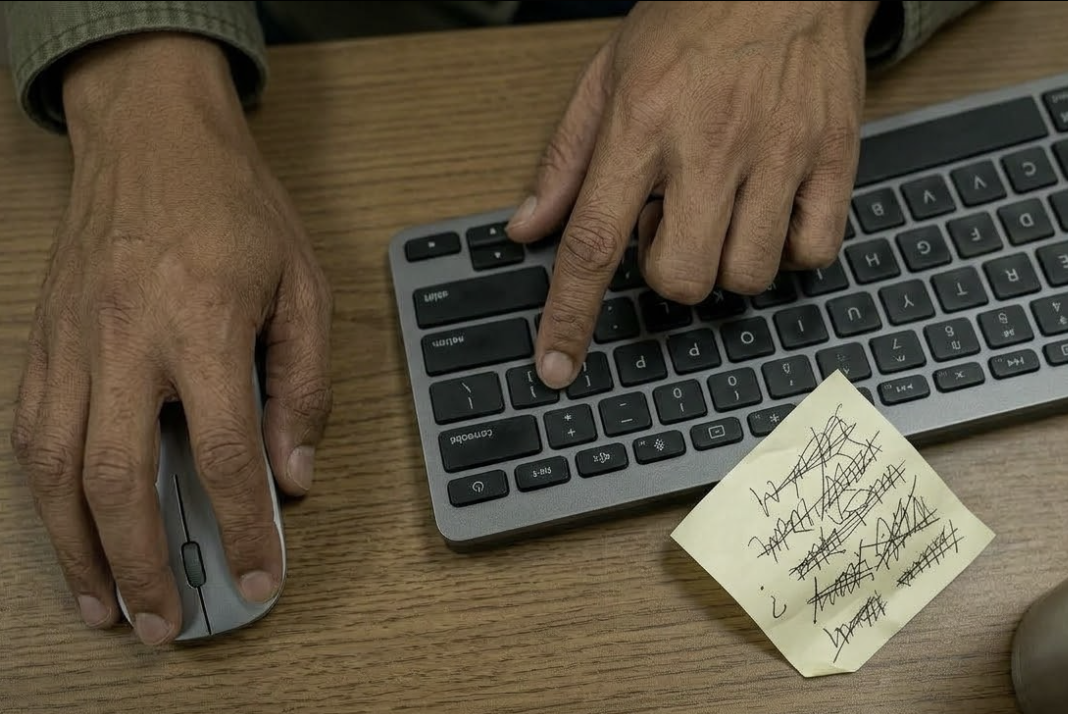
It’s not just you.
80%
of Americans experience a technology frustration daily41%
of Americans locked out of online accounts never regain access53M
Americans provide unpaid technology support to other family membersAbout the Book
A woman needs a bus across town to unlock a phone she owns. A man spends 31 minutes relearning a portal just to refill his blood pressure medication. A diabetic woman's insurance denies her glucose monitor because a spam filter ate her appointment reminders.
Different people. Different frustrations. One pattern.
Transferring the cost of system failure from companies onto individuals, then calling it the individual's fault, is among the most normalized tricks in modern technology. User Error explores this from all sides — the users absorbing costs they didn't create, the designers who genuinely want to build something better, and the IT workers quietly holding everything together in between. No villains. Just a system that keeps producing the same result.
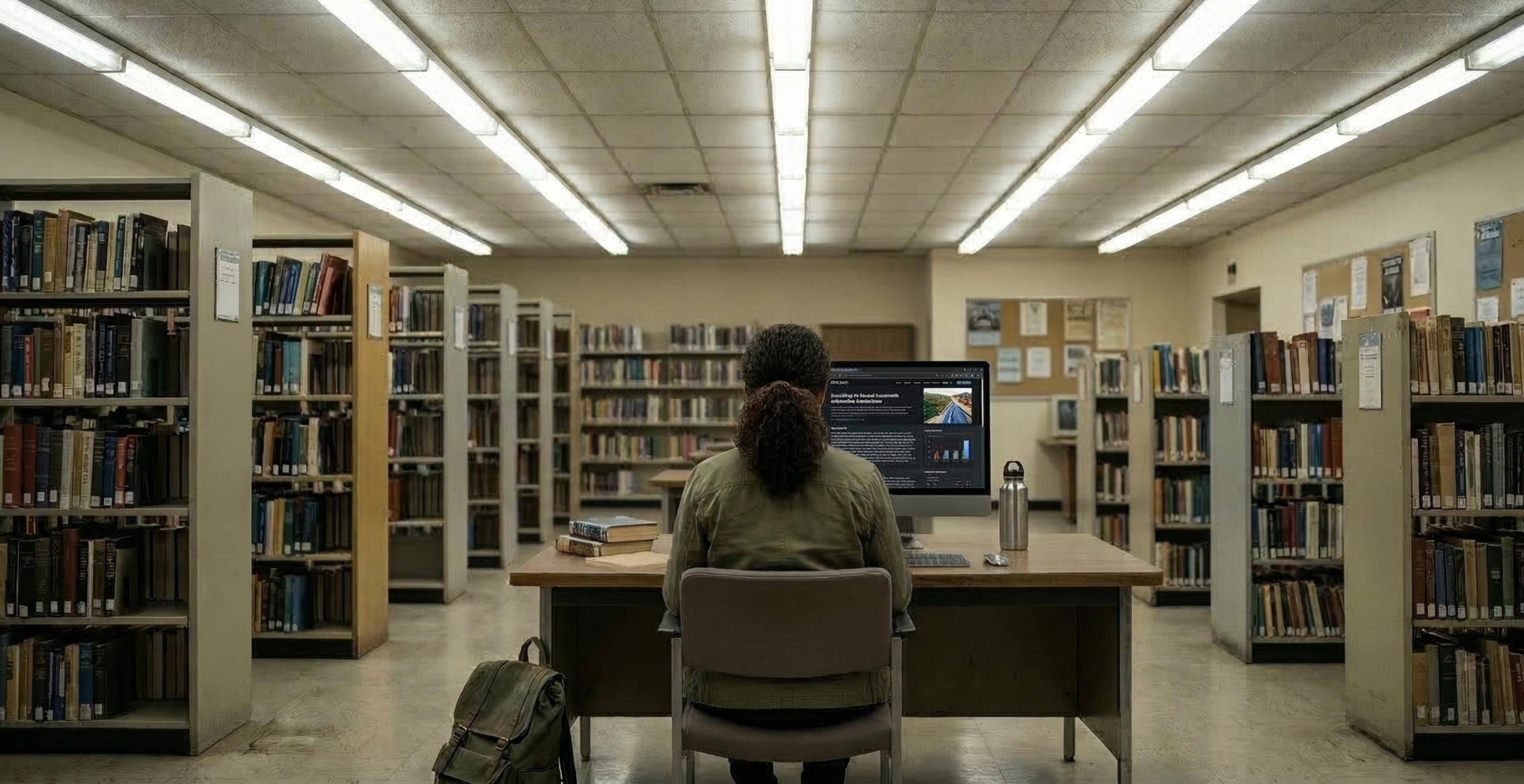
Drawing on years of original field research across public libraries, job training centers, Apple Genius Bars, and school IT departments, User Error traces how digital systems quietly shift their failures onto the people least equipped to push back — and how accepting that blame has prepared us to defer to far more powerful autonomous systems coming next.
By the final chapter, readers have a clear mental model for seeing when a system has failed them — and a language for refusing to carry that failure alone.

About me
My name is Rachel Young. I have spent thousands of hours watching America struggle with technology — and I know these struggles are not inevitable.
As a Partner at the global design firm IDEO, I lead teams studying how people use technology and how design decisions shape who succeeds, who struggles, and who gets blamed when systems fail. Over the past decade, I've advised Microsoft, Verizon, Google, the NFL, city governments, and nonprofits on how their digital systems land in real people's lives.
I understand how digital experiences get designed because I help design them. That double vision — having lived on the receiving end of broken systems, and inside the rooms where they're rationalized and built — is what this book is made of.
Before I worked in technology, I was a public school teacher and social service provider in East Palo Alto. I watched students and families swallow blame for struggling with systems that were opaque even to the most capable. I saw how institutions quietly offload complexity onto individuals — and how that erodes people's confidence in themselves.
I'm working with Pulitzer finalist Vauhini Vara through the Lighthouse Writers Workshop Book Project to complete this manuscript.
I live in Oakland with my husband and two daughters.

Do you have a story to share?
I'm always looking for stories: from people who've hit a wall with technology and absorbed the blame, from designers navigating impossible tradeoffs, and from the librarians, IT workers, and caregivers quietly cleaning up the mess. If any of that sounds like you, reach out.